Physical Address
304 North Cardinal St.
Dorchester Center, MA 02124
Physical Address
304 North Cardinal St.
Dorchester Center, MA 02124
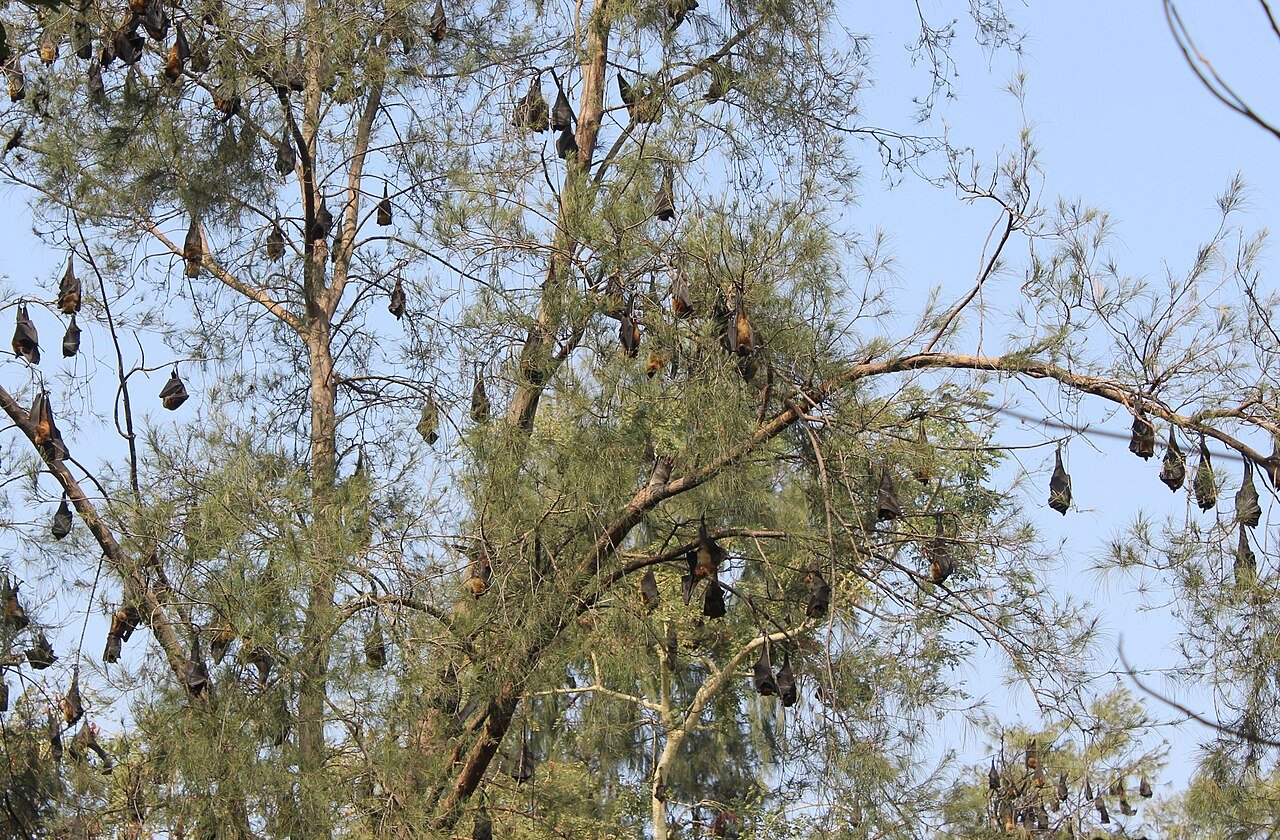
Bats have a strange superpower, and it is not echolocation. Some bats live for decades — extraordinarily long for their size — while rarely getting cancer. New research suggests they pull this off by combining two strategies: powerful immune defenses and unusual methods for eliminating damaged cells before they turn dangerous.
In most animals, including humans, aging and cancer risk rise together. Cells accumulate damage, the immune system slows, and rogue cells sometimes slip through. Bats seem to have rewired that equation, and researchers hope their biology can teach us how to do the same.
Bats carry many viruses without getting sick, which has made them famous in virology. But their defenses appear to go further than virus control. The new findings point to a double strategy: an immune system that stays remarkably vigilant with age, and cleanup processes that identify and remove worn-out or damaged cells instead of letting them linger and accumulate.
That combination matters because cancer is fundamentally a cleanup failure: damaged cells that should have been eliminated instead survive, divide, and turn into tumors. Bats appear to keep the cleanup crew working for decades.
The goal is not to turn people into bats, but to borrow their tricks: understanding which genes and pathways keep bat cells tidy could inspire new approaches to cancer prevention and healthy aging in humans.
It is a humbling thought. Some of the most advanced answers to human disease may be flying overhead at dusk, hidden in the biology of an animal we have historically feared.
Featured image: bat hanging upside down, via Wikimedia Commons. Source: ScienceDaily.