Physical Address
304 North Cardinal St.
Dorchester Center, MA 02124
Physical Address
304 North Cardinal St.
Dorchester Center, MA 02124
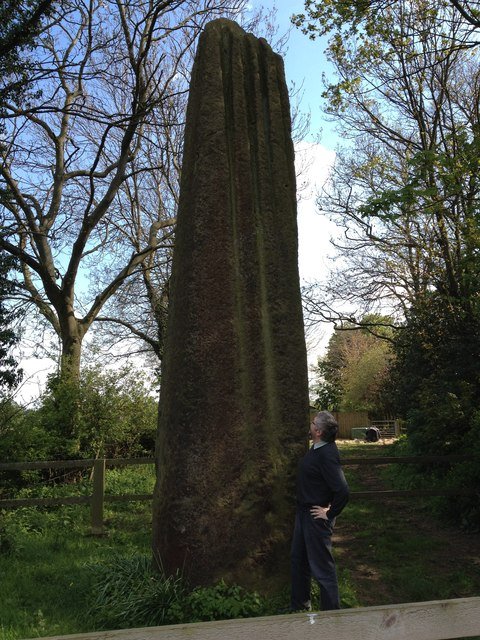
Britain’s towering Devil’s Arrows have kept their secret for four thousand years. Now, new research has revealed it: the three giant standing stones in Boroughbridge, North Yorkshire, were hauled at least 18 kilometers from Brimham Rocks — each one a 25-tonne monument moved across prehistoric Yorkshire by muscle, wood, and sheer determination.
To appreciate the scale: 25 tonnes is roughly the weight of four adult elephants. Moving even one such stone over flat modern roads would be a serious engineering project today. Neolithic communities did it across rolling countryside, without wheels on wagons, without metal tools, and without machines — around 4,000 years ago.
The stones were not random boulders found nearby. Geochemical analysis confirmed they came from the distinctive craggy millstone grit of Brimham Rocks, a natural landmark that still draws visitors today. Choosing to transport material from a distant, possibly sacred site suggests the journey itself mattered — the stones may have carried meaning, lineage, or power precisely because of where they came from.
The three surviving monoliths stand in a row, aligned roughly north to south, and are among the tallest standing stones in Britain. Their original purpose remains unknown: a temple, a calendar, a territorial marker, or something we have no modern word for.
Discoveries like this keep rewriting what we assume about ancient people. Without writing, without metals worth mentioning, without draught animals confirmed at the site, they planned, organized labor at scale, and achieved something that still towers over the Yorkshire landscape today.
The Devil’s Arrows were raised by communities who wanted their work to last forever. Four millennia later, it still does.
Featured image: the Devil’s Arrows, Boroughbridge (geograph.org.uk, CC BY-SA 2.0). Source: ScienceDaily.