Physical Address
304 North Cardinal St.
Dorchester Center, MA 02124
Physical Address
304 North Cardinal St.
Dorchester Center, MA 02124
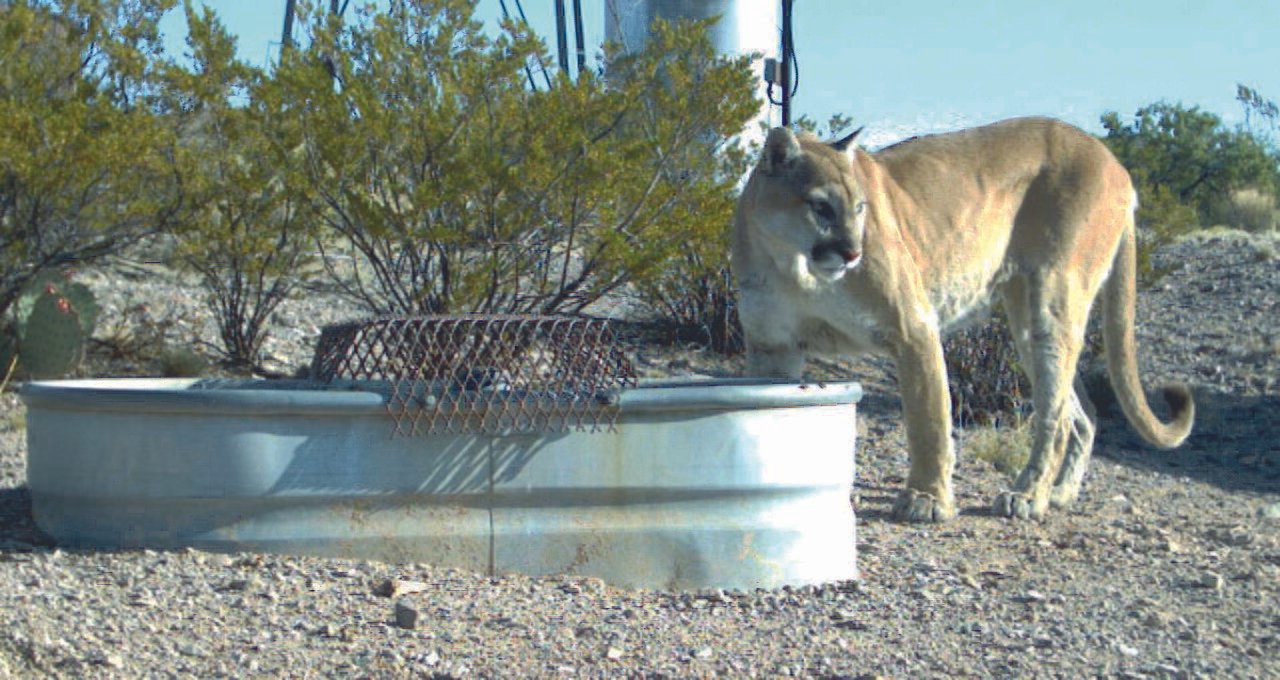
One of North America’s most famous Ice Age predators has just lost its name — and its identity turned out to be far more interesting. The extinct “American cheetah,” long imagined as a faster, bigger cousin of the African cheetah, was not really a cheetah at all. New fossil evidence from the Yukon reveals it was actually a relative of the puma, with an unexpectedly flexible lifestyle.
The mislabeling shaped decades of storytelling. The idea that pronghorn antelope evolved to outrun American cheetahs became a beloved just-so story of North American natural history. But anatomy kept hinting that something was off: the animal’s skeleton looked less like a sprinting specialist and more like its puma cousins.
Fossils from northern Canada show that populations of this animal survived far beyond the sunny grasslands usually imagined for big cats, pushing into the cold North partly by adapting their diet and habits. Rather than a hyperspecialized sprinter locked into one way of life, it was a generalist — closer to the adaptable puma, which still lives across the Americas today, than to the fragile specialist of the savanna.
The correction is more than trivia. Extinction stories depend on understanding what animals actually were: a rigid specialist and a flexible generalist face the end of an ice age very differently. North America lost its great mammals around 11,000 years ago, and knowing how each species lived is the only way to understand why.
It is also a reminder that paleontology is a living science. Names that appear in textbooks for a century can still be overturned by a few well-preserved bones from the Yukon permafrost.
Featured image: a puma (Puma concolor), via Wikimedia Commons. Source: ScienceDaily.