Physical Address
304 North Cardinal St.
Dorchester Center, MA 02124
Physical Address
304 North Cardinal St.
Dorchester Center, MA 02124
Humans have been using mind-altering plants for far longer than recorded history. Archaeologists studying ancient human remains from Sulawesi, Indonesia, have found evidence that people were habitually chewing psychoactive betel nut as far back as 25,000 years ago — the oldest evidence of this practice anywhere in the world.
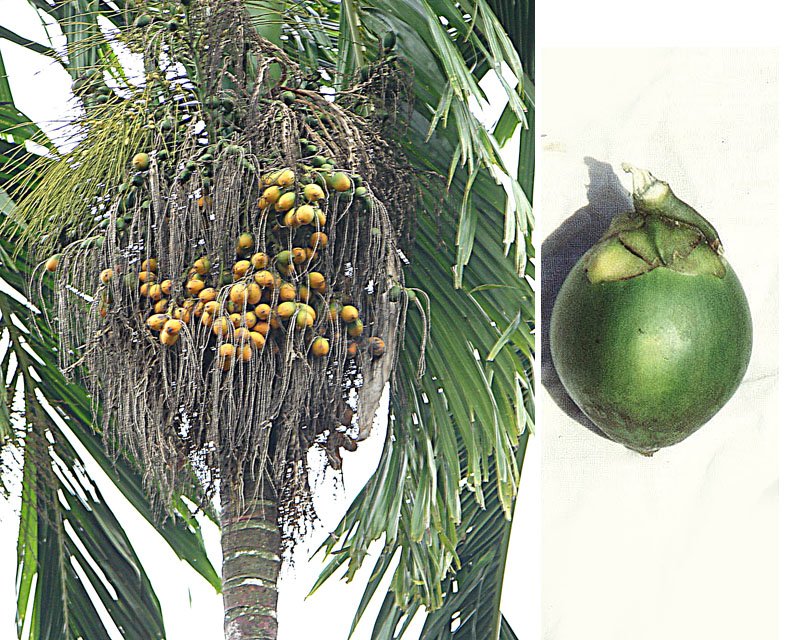
The clues were written on the teeth. Chewing betel nut, the fruit of the areca palm, leaves distinctive marks: unusual wear patterns and dark staining that modern chewers still show today. In the ancient remains, researchers also detected traces of arecoline, the active compound, preserved where it had been absorbed into dental calculus over a lifetime of use.
Betel nut chewing is not a small cultural footnote. Today, hundreds of millions of people across South and Southeast Asia chew it, often mixed with leaves and lime into the classic red-staining quid. The Sulawesi find pushes that tradition’s roots back to a time when humanity’s earliest art was being painted in the very same islands.
Its regular use 25,000 years ago tells us something profound: these were not people simply surviving. They had culture, ritual, perhaps social customs around a shared psychoactive experience — complex inner lives that reached beyond food and shelter.
Evidence of ancient medicine, art, and now psychoactive use keeps dismantling the assumption that deep-cave-age people were primitive. They were us, experimenting with the same plants, rituals, and pleasures that humans still reach for today.
The teeth said what no text could: 25,000 years ago, on an island at the edge of the world, people were already human in every way that matters.
Featured image: areca palm (betel nut), via Wikimedia Commons. Source: ScienceDaily.