Physical Address
304 North Cardinal St.
Dorchester Center, MA 02124
Physical Address
304 North Cardinal St.
Dorchester Center, MA 02124
Alzheimer’s disease has been studied for over a century, but scientists keep finding new places to look. The latest discovery takes us somewhere unexpected: not into the genes themselves, but into how DNA is physically folded inside brain cells.
Inside every cell, DNA is not a loose string – it is carefully folded into a precise 3D architecture. That folding matters, because it determines which genes are switched on and which stay silent. In several types of brain cells affected by Alzheimer’s, researchers found this 3D organization is disrupted, scrambling the instructions that keep neurons healthy.
The study showed that the disruption is not random. Specific brain cell types showed characteristic changes in their genome folding, rerouting the activity of important genes. This suggests Alzheimer’s does not just damage cells – it rewires their entire genetic control system.
Most current research focuses on the proteins famously linked to Alzheimer’s, like amyloid and tau. This discovery reveals a previously underexplored layer of the disease – the genome’s physical structure – and could open entirely new paths for understanding, diagnosing, and eventually treating one of the world’s most devastating conditions.
Source: genomic study of Alzheimer’s brain cells, reported via ScienceDaily.
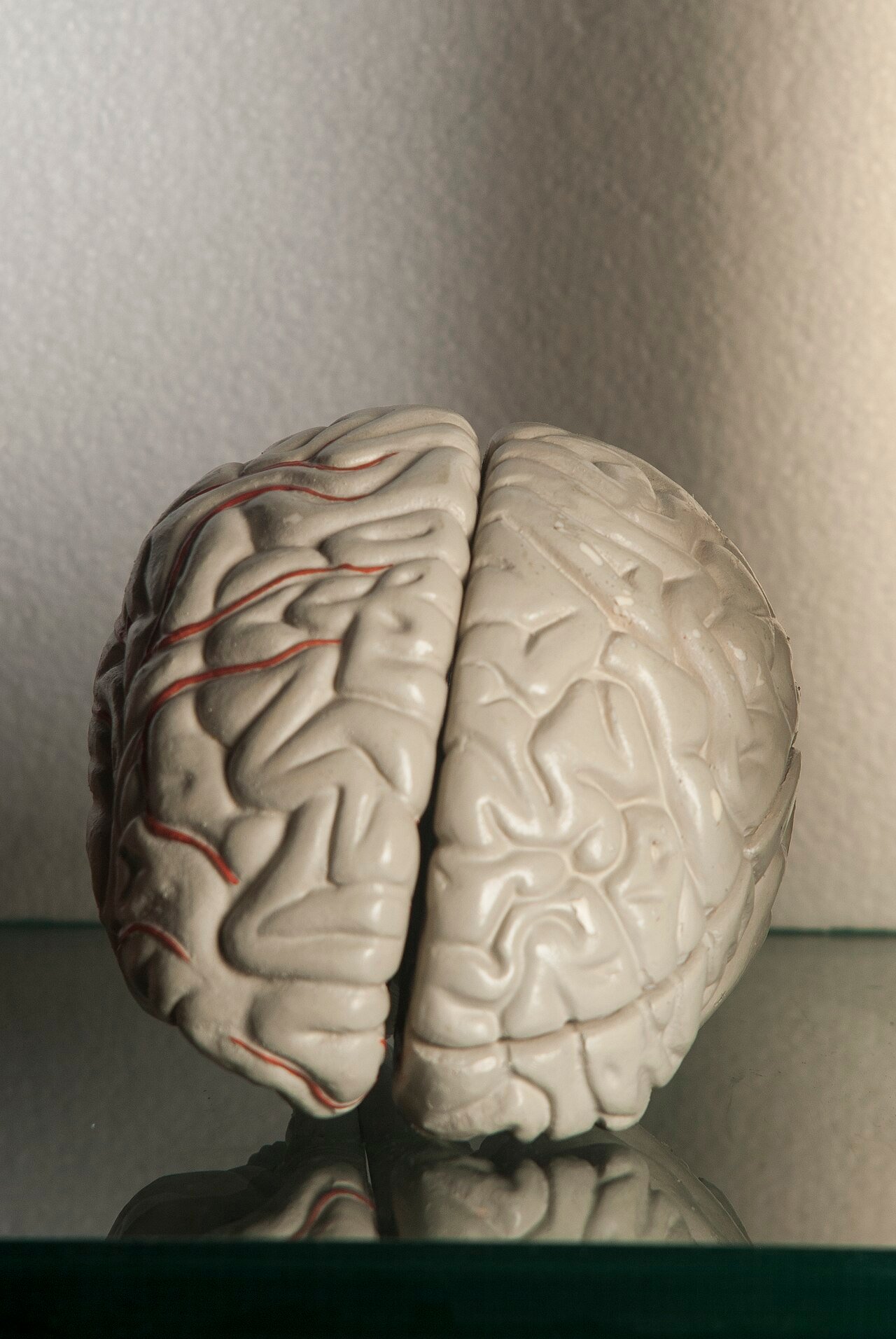
Featured image: File:Human brain 01.jpg (, CC BY-SA 4.0) via Wikimedia Commons