
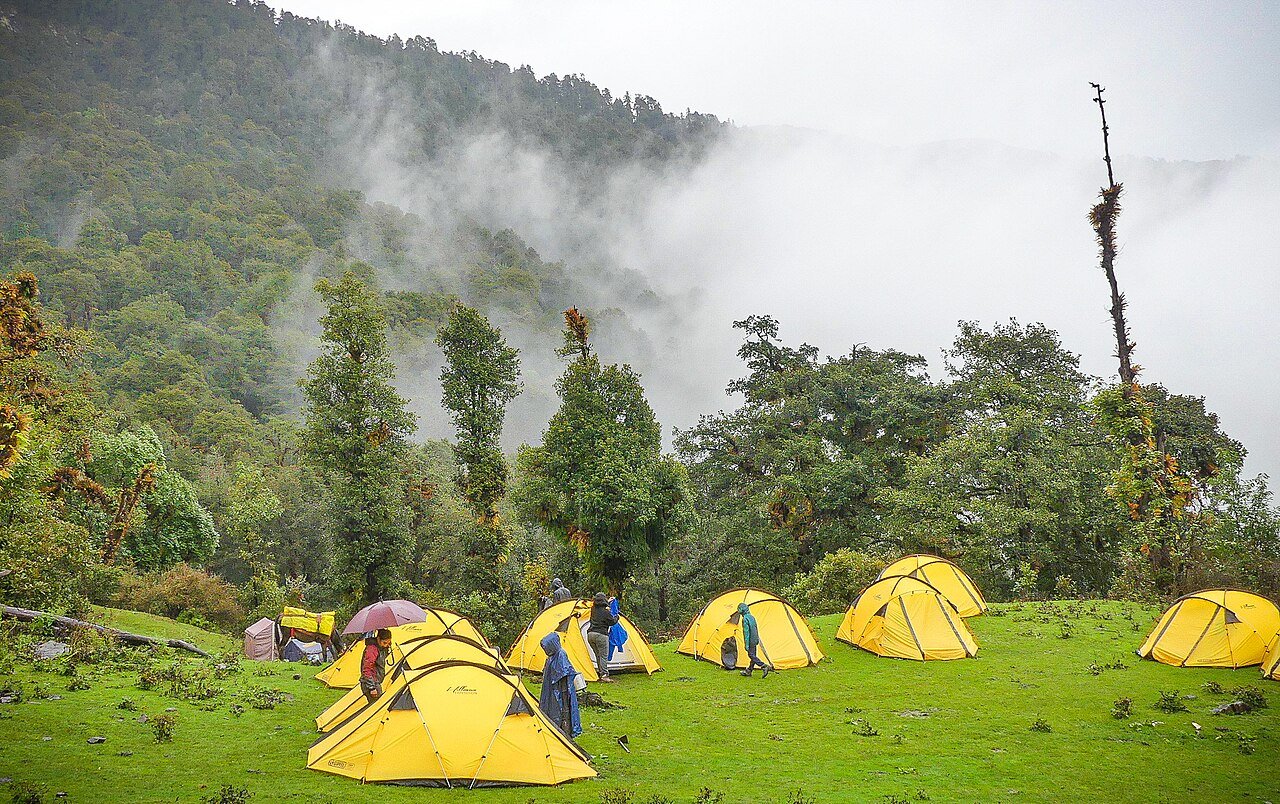
Forget the once-a-year mega vacation. New research from the University of the Sunshine Coast in Australia suggests the real well-being boost comes from taking more frequent short holidays, even quick getaways close to home.
The study, published in the Journal of Travel Research, surveyed more than 1,200 Australian tourists across three studies between 2020 and 2023. It found that frequent leisure travel lifts happiness, psychological resilience and overall quality of life. The biggest beneficiaries were people who feel vulnerable or struggle to manage stress.
Travel as a cycle, not a break
“Travel isn’t merely a break from routine,” said lead researcher Rory Mulcahy. According to the study, trips create a positive cycle: new places and experiences build positive emotions, those emotions strengthen resilience, and resilience improves life satisfaction long after the trip ends.
People with stronger coping skills benefited less, which surprised the team. Those who struggle most with stress seem able to harness travel’s positive emotions and grow from them.
Crucially, the research found no need for long or expensive trips. The well-being benefits kicked in even with short trips near home. “Frequent quick getaways are likely to deliver potential long-term health and well-being benefits that could transform people’s quality of life,” Mulcahy said.
What it means for you
The findings matter for more than vacation planning. The researchers suggest therapists could recommend regular getaways to clients, and policymakers could invest in tourism close to home. Travel also joins a growing list of simple, enjoyable habits with measurable health effects. Food plays a role too: scientists found a compound in blueberries that tells muscle cells to burn fat, and another study showed that sniffing dark chocolate added 18 reps to a leg workout.
The team notes the results came from Australian tourists, so more work is needed to confirm the pattern elsewhere. But the core message is simple: you do not need a big budget or a faraway destination. A weekend tent, a nearby town, or a two-day road trip may do more for your head than you expect.
Sources
University of the Sunshine Coast
Featured image: Mike Prince, Campsite at Gui, CC BY 2.0, via Wikimedia Commons.