
Mesothelioma, an aggressive cancer tied to asbestos exposure, has quietly defeated most treatments for decades. About 30,000 people worldwide are diagnosed each year, and median survival is roughly 12 months. An unusual new drug called RSO-021 is now giving researchers a reason for optimism.
In a phase one trial run in the United Kingdom, the experimental mesothelioma drug controlled disease progression in 67% of patients with relapsed cancer, and some tumors shrank. Patients also lived longer than is typical with standard treatments. The results were published in Nature Communications by a team from the University of Vermont and partners.
Flipping the antioxidant logic
Cancer cells live dangerously. Their fast metabolism churns out reactive oxygen species, unstable molecules that damage cells. To survive, tumors lean heavily on antioxidant enzymes, especially one called peroxiredoxin 3, or PRX3, which works inside mitochondria, the structures that produce a cell’s energy.
For years, researchers tried fighting cancer with extra antioxidants. Most of those trials failed, and some evidence suggested antioxidants could even help tumors grow. The Vermont team flipped the idea: instead of adding protection, take it away. RSO-021, built from the natural antibiotic thiostrepton, disables PRX3. Hydrogen peroxide then piles up inside the tumor’s mitochondria until the cancer cell dies.
Normal cells appear to tolerate the loss. Other research groups have deleted PRX3 in healthy mice with no harmful effects, which suggests the treatment could target cancer while sparing healthy tissue.
Smart delivery
Roughly 90% of mesothelioma patients develop fluid buildup between the lung and chest wall, and many already carry a catheter to drain it. RSO-021 is delivered straight into the chest through that same catheter, concentrating the drug near the tumor. The trial hit its safety goals at 90 milligrams, with no deaths attributed to the drug, and tissue samples confirmed the drug was hitting its target.
Researchers also believe the drug may help the immune system attack the tumor, not just kill cells directly. Phase two is complete, with results expected soon. It is part of a broader wave of creative cancer research, from CAR T-cell therapy being repurposed for severe arthritis to studies of why bats almost never get cancer.
Sources
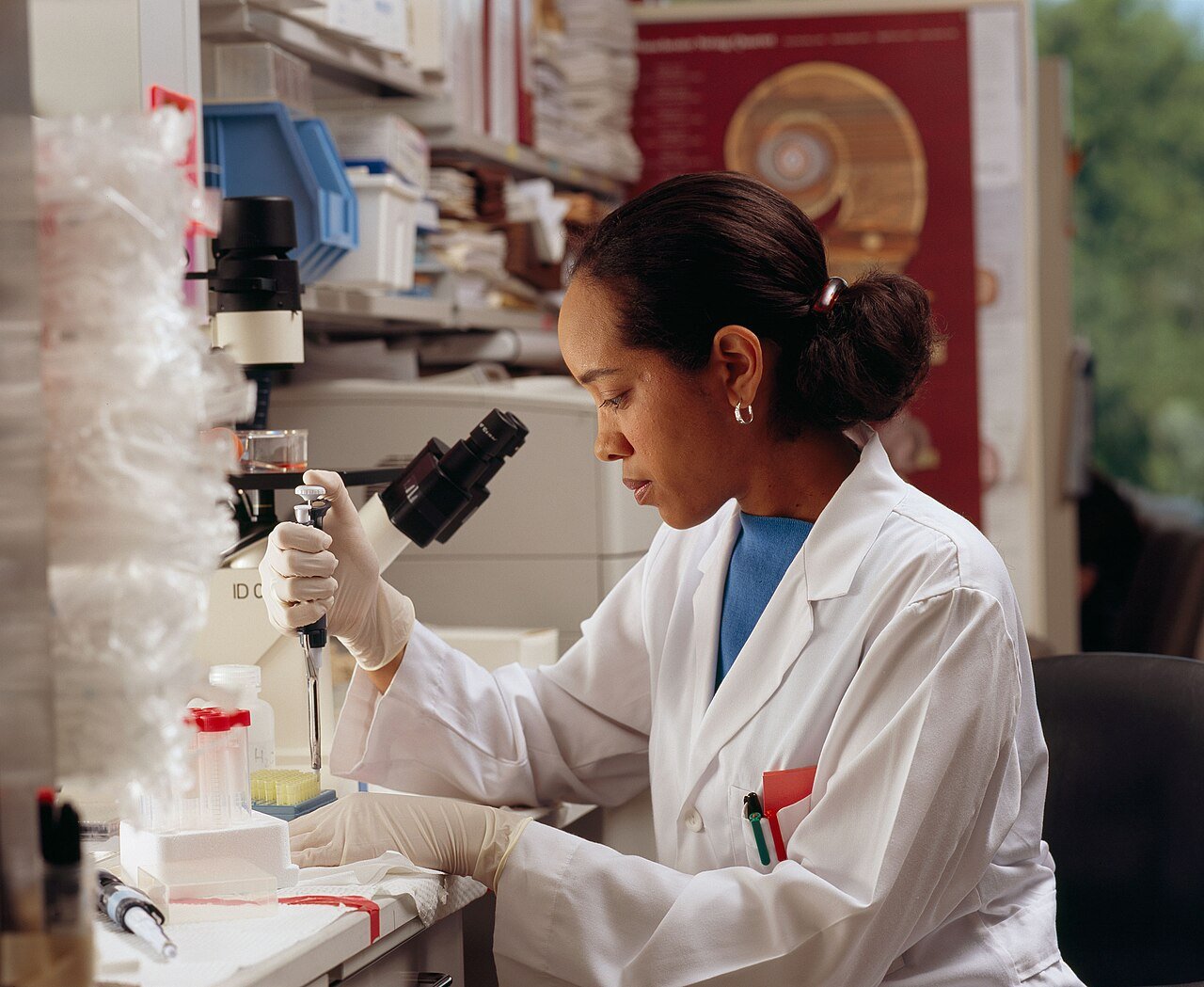
Featured image: Rhoda Baer, Researcher uses pipettes, Public domain, via Wikimedia Commons.