Physical Address
304 North Cardinal St.
Dorchester Center, MA 02124
Physical Address
304 North Cardinal St.
Dorchester Center, MA 02124
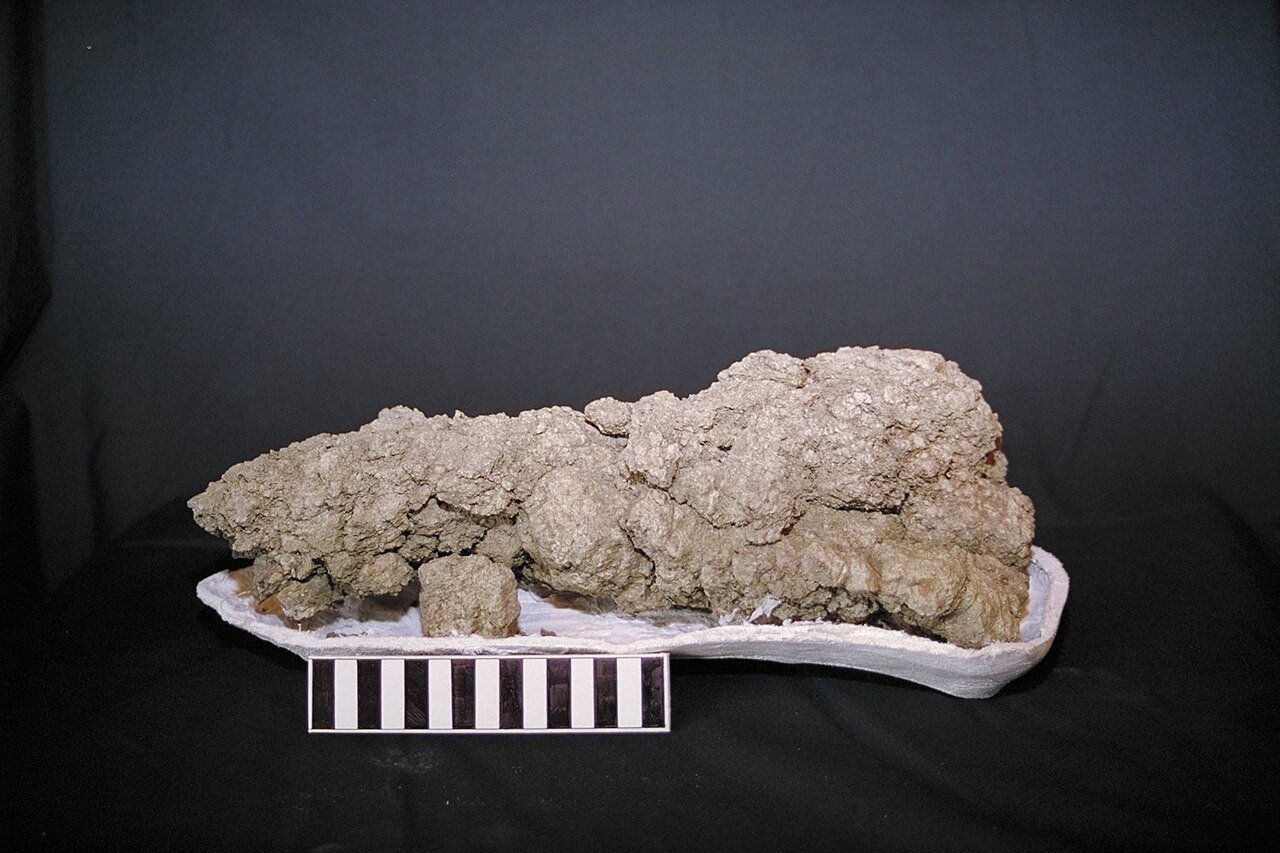
Scientists have found a feather in one of the least glamorous places imaginable: inside a piece of fossilized dinosaur poop, 66 million years old. And this strange little time capsule may help answer one of the biggest questions in natural history — why did birds survive the asteroid impact that wiped out their dinosaur cousins?
The fossilized dropping, called a coprolite, belonged to a extinct bird that lived at the very end of the age of dinosaurs. Inside it, researchers discovered a preserved feather — and that feather had a story to tell. The bird it came from had a more primitive feather structure than modern birds, a mix of old and new designs.
When the asteroid struck 66 million years ago, it triggered a global catastrophe that erased roughly three quarters of all species on Earth, including every non-avian dinosaur. Yet a handful of birds made it through — and every pigeon, eagle, and songbird alive today descends from those survivors.
Why some birds lived while their relatives died has been debated for decades. The leading ideas point to diet and lifestyle: birds with flexible diets, small bodies, and ground-level habits may have had an edge when forests burned and food chains collapsed.
Feathers are not just for flight. Their structure, colors, and textures reveal how a bird lived: insulation, display, camouflage. By documenting the feather types of birds that existed right at the extinction boundary, scientists can piece together which traits the survivors had — and which the casualties lacked.
It turns out the humblest of fossils, a dropping turned to stone, can preserve delicate details that skeletons never could. Paleontology’s best clues are sometimes found where nobody thought to look.
Featured image: a fossilized coprolite, via Wikimedia Commons. Source: ScienceDaily.