Physical Address
304 North Cardinal St.
Dorchester Center, MA 02124
Physical Address
304 North Cardinal St.
Dorchester Center, MA 02124
Vaccines work differently in different people, and for the first time, artificial intelligence may be able to predict how strongly someone will respond before the injection ever happens.
Researchers analyzed antibody patterns from more than 4,000 people and found signs of what they describe as immune fingerprints: pre-existing features of a person’s antibody landscape that shape how robustly their body will respond to vaccination. Fed into AI models, those patterns were enough to forecast the strength of the future immune response.
Vaccination has always been a statistical act of faith: the same shot, given to everyone, works spectacularly for most, moderately for some, and poorly for a vulnerable minority, including the elderly and immunocompromised. Nobody could reliably say in advance which group a patient would fall into.
If immune fingerprints can be read cheaply and early, that changes. Doctors could identify weak responders in advance and act on it: adjusted doses, booster schedules, alternative vaccines, or extra protection measures for the people the standard shot will underserve.
The study is part of a wider shift in medicine: the immune system is becoming readable at scale. Combined with the AI-driven mapping of genetic switches and the immune-targeting successes of CAR T-cell therapy, vaccination is moving from a one-size-fits-all tool toward precision immunology.
The next steps are validation across vaccines and populations, and the practical question of cost. But the direction is clear: the shot of the future may come with a prediction of exactly how well it will protect you.
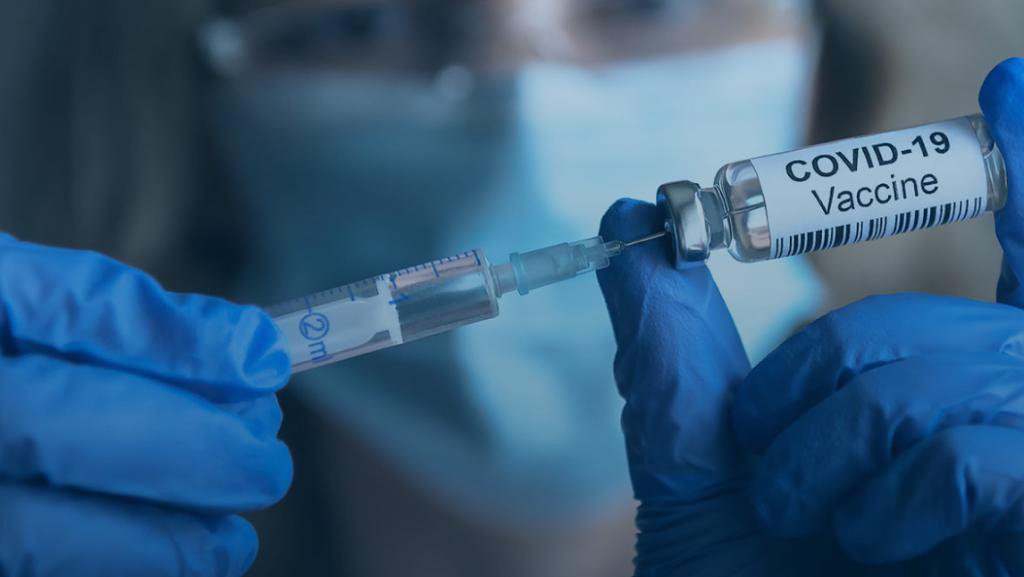
Featured image: vaccine vial and syringe, US Census Bureau (public domain). Source: ScienceDaily.