
Tennessee’s attempted execution of Christa Gail Pike failed this week, reigniting a national debate over the death penalty and the reliability of lethal injection protocols.
Pike, the youngest woman sentenced to death in the United States, was scheduled for execution after being convicted of the 1996 murder of a fellow Job Corps student. However, the execution was halted when medical personnel were unable to establish the necessary IV access for the lethal injection.
Her attorneys have since stated that Pike is receiving “life-saving care” following the failed procedure. The incident marks another chapter in Tennessee’s troubled history with executions, which has seen multiple botched procedures in recent years.
Legal experts note that failed executions raise serious constitutional questions about cruel and unusual punishment. Data shows that botched lethal injections have become more common, not less, as states struggle to obtain execution drugs and medical personnel refuse to participate.
The case has drawn attention from both death penalty opponents and supporters, with the former arguing that such incidents demonstrate the inherent flaws in capital punishment, while the latter maintain that the severity of Pike’s crime warrants the ultimate sentence.
Sources
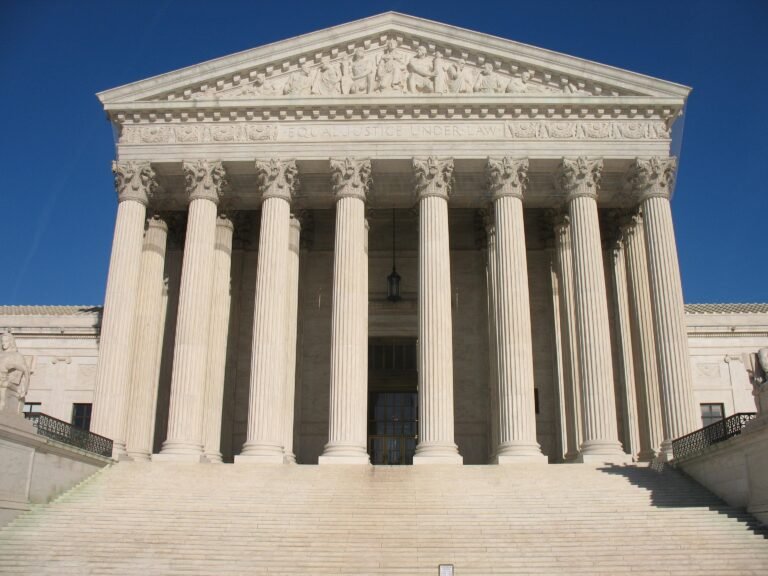
Image: National Museum of Crime and Punishment, Wikimedia Commons