
Two years ago, something slammed into the moon hard enough to leave a crater the size of a city block, and nobody noticed. NASA’s Lunar Reconnaissance Orbiter has now confirmed the aftermath: the biggest fresh impact crater known anywhere in the solar system.
The crater measures about 728 feet (222 meters) across and up to 141 feet (43 meters) deep, which makes it wider than the Roman Colosseum. It formed in the spring of 2024, when a fragment of an asteroid or comet, roughly the size of a three-to-six story building, smashed into the moon’s near side. None of the telescopes on Earth or in space caught the strike in real time.
How it was found
NASA’s orbiter photographed the site in May 2024, but the wide-angle images sat unnoticed in a flood of data until August 2025. The spacecraft then gathered detailed pictures last fall, and the discovery was confirmed early this year.
Two studies published Wednesday in the journal Science Advances describe the crater. Researchers estimate an impact this large happens only once every 132 years, calling it a “statistically rare, effectively once-in-a-lifetime observation.”
The crater is named for the late Thomas McGetchin, a former director of the Lunar and Planetary Institute in Houston. It is three times bigger than the previous record-holder found by the orbiter a decade ago.
What the crash did
The impact churned the lunar surface across an area wider than 66 miles (100 kilometers), hurling dust and rocky soil away at a steeper angle than models predicted, said Mark Robinson, chief scientist for the orbiter’s cameras.
A separate study found a cold spot about 4 miles (7 kilometers) wide around the crater, left by loosened top soil. “We’re now thinking of impacts as a way to garden the regolith,” said co-author David Paige of UCLA. The findings suggest the moon’s top inch of soil gets overturned every 80,000 years, faster than scientists thought, so even the Apollo footprints will eventually fade.
Why it matters now
NASA plans to build a base for astronauts on the moon, so the team’s next step is to calculate the risk of debris from future strikes hitting it. “That information will help engineers harden structures,” Robinson said.
The moon is not the only familiar world with fresh secrets. Signs of liquid still moving under Pluto’s heart-shaped glacier surfaced this week, and Mercury is quietly shrinking with more hidden scars than expected.
Sources
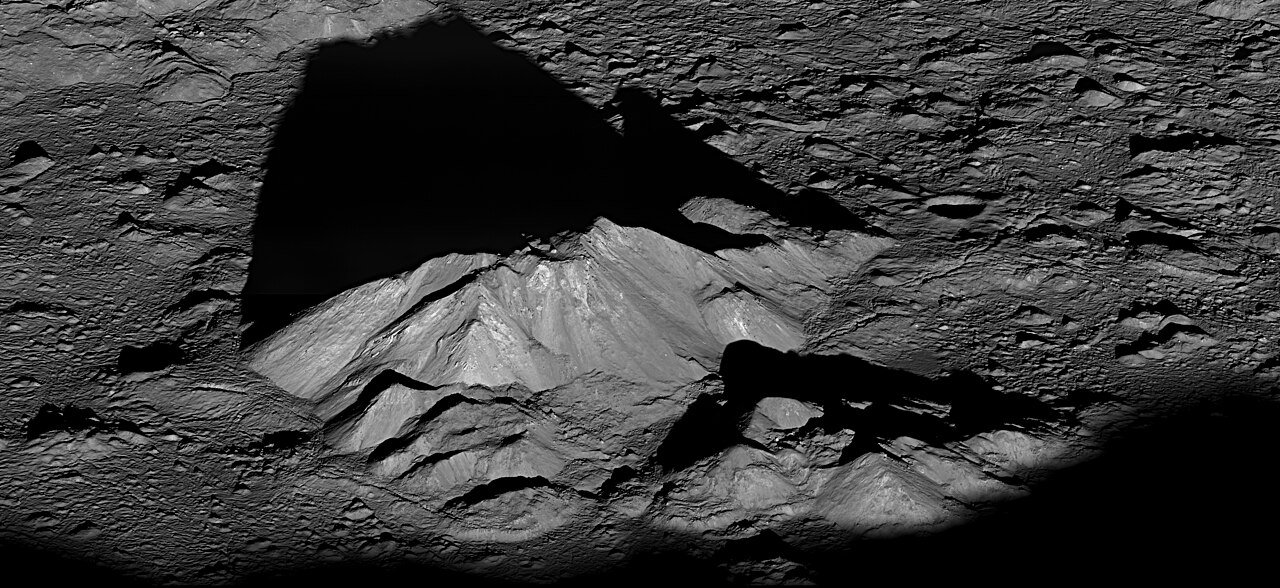
Featured image: NASA / GSFC / Arizona State University / Lunar Reconnaissance Orbiter, Tycho central peak, Public domain, via Wikimedia Commons.