Physical Address
304 North Cardinal St.
Dorchester Center, MA 02124
Physical Address
304 North Cardinal St.
Dorchester Center, MA 02124
A therapy famous for fighting cancer has just delivered a result that rheumatoid arthritis patients have dreamed about for decades. CAR T-cell therapy dramatically reduced disease activity in six people with severe rheumatoid arthritis who had resisted every other treatment, and three of them reached medication-free remission.
CAR T-cell therapy works by reprogramming a patient’s own immune cells into precision hunters. In cancer, those engineered cells seek and destroy tumors. In this trial, the target was different: the rogue B cells that drive autoimmune destruction in rheumatoid arthritis, attacking joints and fueling chronic inflammation.
Rheumatoid arthritis affects millions worldwide, and while modern drugs help many, a hard core of patients burn through treatment after treatment, their joints steadily damaged by inflammation. For that group, the idea of a one-time therapy that resets the immune system, rather than a lifetime of immunosuppressants, is transformative.
The trial was tiny, and CAR T-cell therapy is not trivial: it is complex, expensive, and carries real risks, which is why it has so far been reserved for life-threatening cancers. But the fact that three patients stopped all medication and stayed in remission is a proof of concept that autoimmune medicine has been waiting for.
Larger trials will test whether the remissions hold, refine which patients benefit most, and work on making the therapy safer and simpler. If the results scale, the era of reprogramming the immune system to cure, rather than manage, autoimmune disease may have quietly begun.
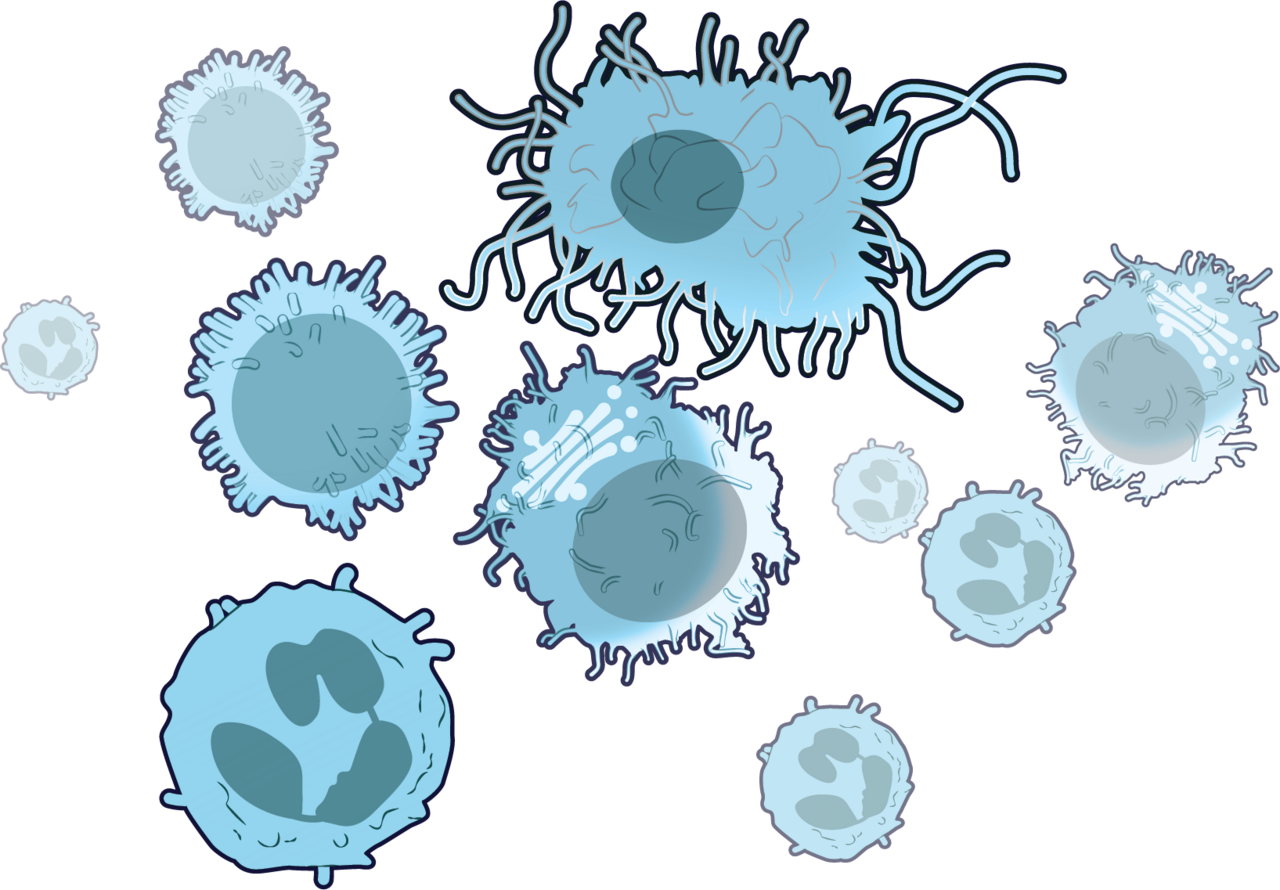
Featured image: immune cells, NIH BioArt (public domain). Source: ScienceDaily.