Physical Address
304 North Cardinal St.
Dorchester Center, MA 02124
Physical Address
304 North Cardinal St.
Dorchester Center, MA 02124
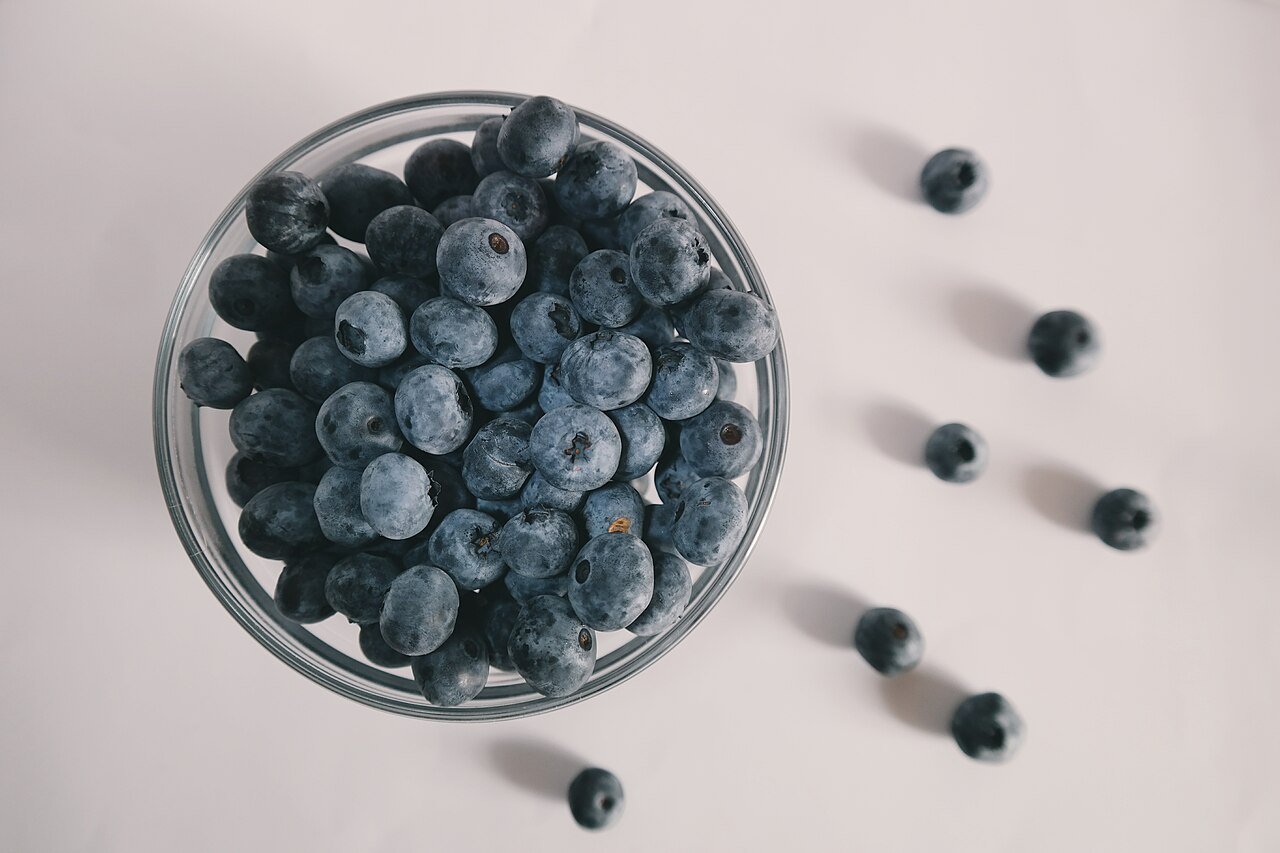
A natural compound hiding in blueberries, grapes, and other berries may convince your muscles to burn excess fat instead of storing it, according to scientists in Japan who identified the effect in muscle cells.
The compound, pterostilbene, is a close chemical cousin of resveratrol, the celebrated molecule in red wine. In laboratory experiments on muscle cells, it shifted their metabolic behavior: instead of passively accumulating fat, the cells ramped up processes that burn it as fuel.
Most people think of fat burning as the business of exercise or the liver, but skeletal muscle is one of the body’s biggest energy consumers. How muscle cells handle fat, storing it in tiny droplets versus oxidizing it for energy, has major consequences for weight, metabolic health, and the risk of type 2 diabetes. When muscle prefers storage over burning, the metabolic slide toward obesity and fatty liver becomes easier.
Pterostilbene appears to nudge that balance the right way, activating cellular machinery that encourages fat oxidation. Because it occurs naturally in everyday foods, it comes with an appealing pitch: a nudge toward burning, delivered by your fruit bowl.
The result is a cell study, not a human trial. Getting pterostilbene from a berry into muscle tissue at meaningful concentrations involves digestion, absorption, and dosing questions that remain open. Clinical trials will be needed before anyone calls it a fat-burning supplement.
Still, the research adds to a growing picture: the molecules in colorful plant foods are biologically active far beyond vitamins and fiber. Your muscles may be listening to your diet more closely than you think.
Featured image: bowl of blueberries (Unsplash, via Wikimedia Commons). Source: ScienceDaily.