Physical Address
304 North Cardinal St.
Dorchester Center, MA 02124
Physical Address
304 North Cardinal St.
Dorchester Center, MA 02124
What if your personality was written in your DNA? A massive genetic study has linked more than 1,200 genetic variants to the Big Five personality traits, the scientific model that describes human character through openness, conscientiousness, extraversion, agreeableness, and neuroticism.
The scale of the study is what makes it credible. Personality genetics has a messy history of small studies that found hints and collapsed on replication. By scanning genomes at population scale, researchers could separate real signals from noise, and the signals they found were striking: many of the same variants tied to personality are also associated with health, longevity, career outcomes, income, and everyday habits.
It does not mean personality is destiny. Each variant has a tiny effect, and genetics explains only a fraction of why two people turn out differently. Upbringing, culture, choices, and sheer chance do enormous work. What the study shows is that personality, like height or weight, sits on a foundation of inherited biology that nudges us in certain directions.
The overlap with life outcomes is the most provocative part. If variants linked to conscientiousness also correlate with income and longevity, it suggests personality shapes health and success through behavior: how consistently people work, how they handle stress, and how they engage with doctors and habits.
Understanding the biology of temperament could eventually reshape mental health care, helping clinicians understand why some people are more vulnerable to anxiety or addiction and which interventions suit them. It also adds a dose of humility to how we judge others: the seeds of temperament run deeper than character judgments often assume.
The genome is not a crystal ball, but it is increasingly a mirror, and it is reflecting more of who we are than scientists expected.
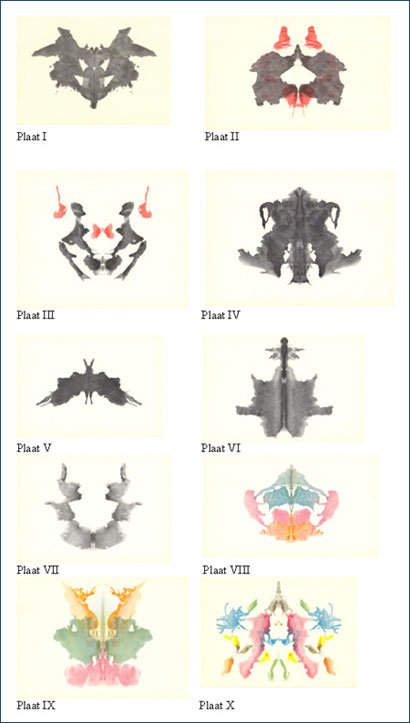
Featured image: Rorschach inkblots, Hermann Rorschach (public domain). Source: ScienceDaily.