OpenAI says it has made “substantial progress” on another Millennium Prize Problem — one of mathematics’ most famous unsolved challenges, each carrying a $1 million reward — just weeks after the company announced it had completed work on the Navier–Stokes problem, one of the seven.
According to a statement reported by The Verge, OpenAI wrote: “In addition, since the completion of Navier–Stokes, we have made substantial progress on another Millennium Prize problem. We are working through how to share these results thoughtfully.”
What are the Millennium Prize Problems?
In 2000, the Clay Mathematics Institute named seven foundational math problems and offered $1 million for each correct solution. For over two decades, only one had been solved: the Poincaré conjecture, cracked by Grigori Perelman in the early 2000s (he famously declined both the prize and the Fields Medal).
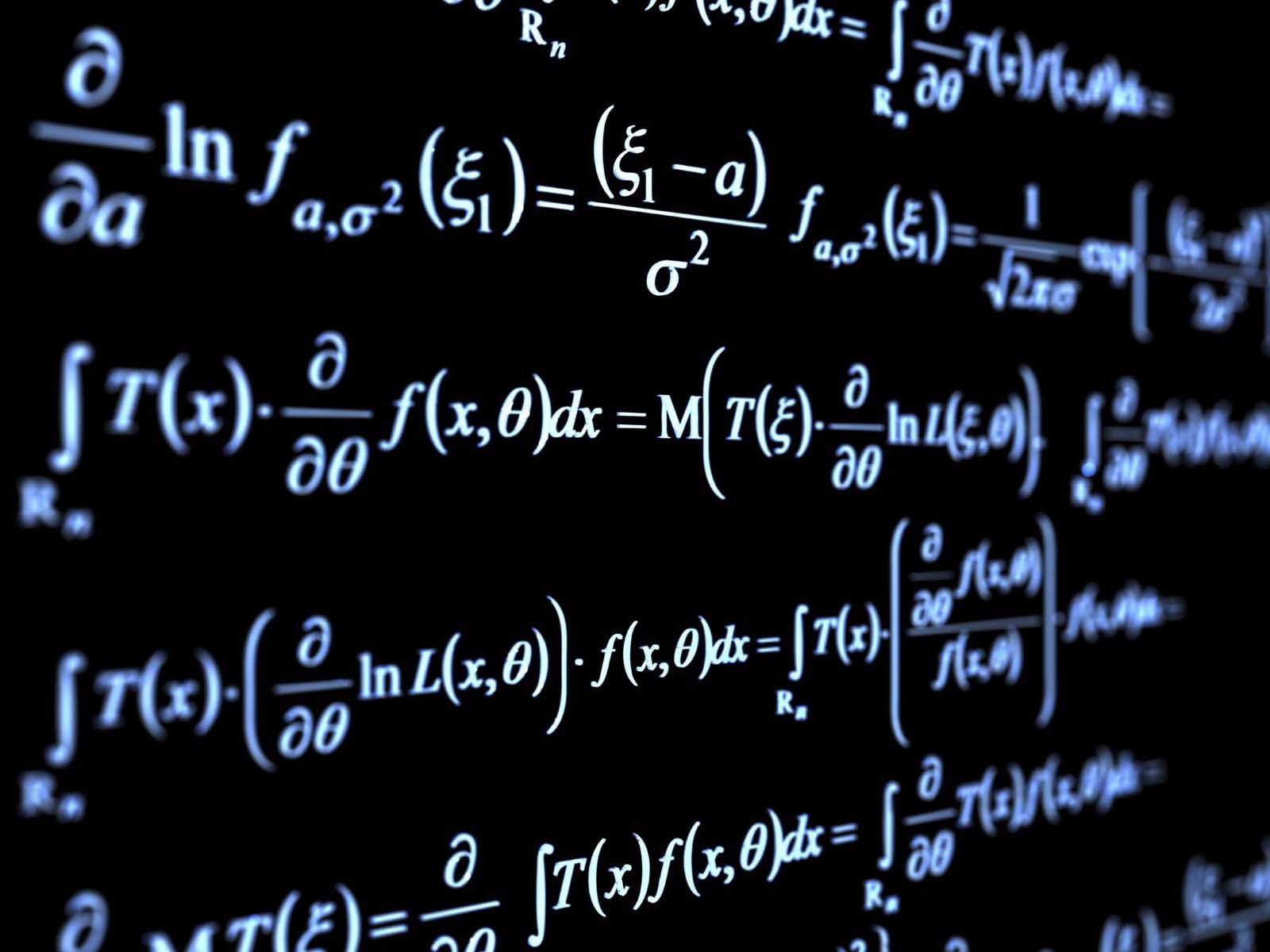
The Navier–Stokes existence and smoothness problem asks a deceptively simple question about the equations that describe how fluids — water, air, blood — flow: do smooth, physically sensible solutions always exist? These equations are the mathematical engine behind weather forecasting, aircraft design, and countless engineering tools, including the computational fluid dynamics (CFD) simulations used across modern industry.
Why it matters
If OpenAI’s claims withstand independent verification, this would mark a historic shift: an AI system contributing genuine, original breakthroughs to pure mathematics — a field long considered deeply human territory. It would also validate the growing bet that AI can accelerate fundamental science, not just generate text and images.
The caveats
Several key details remain unknown. OpenAI has not revealed which Millennium Problem it is targeting next, and no independent mathematicians have yet verified either the Navier–Stokes claim or the new progress. The company’s own phrasing — “working through how to share these results thoughtfully” — suggests the results are still being prepared for formal scrutiny.
As with any major scientific claim, the proof will be in the proof. We’ll be tracking this story as verification efforts unfold.